
article
Buying Guide: How to Choose the Right Low Headroom Chain Hoist Capacity
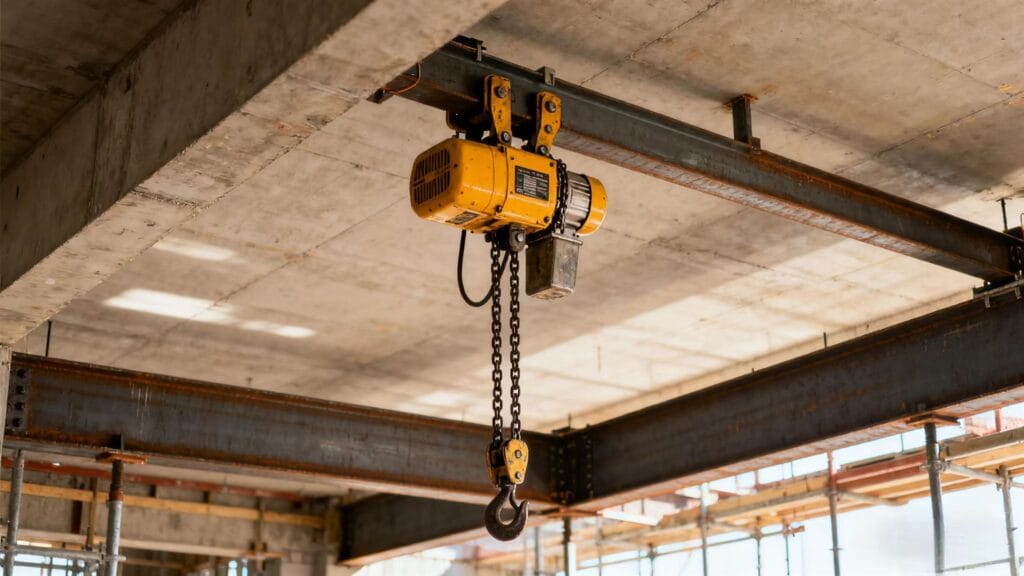
When it comes to lifting in tight construction spaces or workshops with limited clearance, the low headroom chain hoist is often the equipment of choice. But one of the most important decisions you’ll face is choosing the right lifting capacity.
Selecting a hoist that is too small can be dangerous, while choosing one that is unnecessarily large can increase costs and reduce efficiency. This buying guide will help you understand how to select the right low headroom chain hoist capacity so your projects remain safe, productive, and cost-effective.
Why Capacity Selection Matters
Capacity is the backbone of safe lifting. The rated load capacity defines the maximum weight a hoist can handle. Using a hoist beyond its rated limit can lead to chain damage, structural failures, or workplace accidents.
On the other hand, oversized hoists are heavier, bulkier, and more expensive. They may also reduce maneuverability in low-clearance spaces. That’s why finding the perfect balance is critical.
Factors to Consider When Choosing Hoist Capacity
- Weight of Loads
Start by analyzing the maximum weight you plan to lift. Always calculate based on the heaviest possible load, not the average. - Load Type and Shape
Irregularly shaped or shifting loads (like construction beams or pipes) may require higher capacity than their weight suggests, due to uneven distribution. - Frequency of Use
- Light-duty: Occasional lifting (e.g., workshops, small projects).
- Medium-duty: Regular lifting in warehouses or assembly lines.
- Heavy-duty: Intensive daily use in construction or logistics.
- Safety Margin
Most experts recommend selecting a hoist with a 20–30% higher capacity than your heaviest expected load.
👉 For construction applications, see our guide on safe lifting with low headroom chain hoists in tight spaces.
Common Capacity Ranges in Low Headroom Hoists
| Capacity Range | Typical Applications |
|---|---|
| 0.5 – 1 ton | Light-duty lifting in workshops or garages. |
| 2 – 3 ton | Construction sites, steel fabrication, small machinery. |
| 5 – 10 ton | Warehousing, logistics hubs, bridge assembly. |
| 15 – 20 ton | Large-scale construction, shipyards, infrastructure projects. |
Mistakes to Avoid When Choosing Capacity
- Guessing instead of calculating actual load weights.
- Ignoring future needs—always plan for growth in project scale.
- Forgetting about clearance limits when opting for higher capacities.
- Overlooking the importance of load balancing equipment like beam clamps and trolleys.
Technical Parameters (Example Specs)
| Parameter | Specification |
|---|---|
| Capacity Options | 0.5 ton – 20 ton |
| Headroom Clearance | Reduced by 25–40% vs. standard hoists |
| Lifting Height | Up to 30m |
| Operation | Manual or Electric |
| Typical Applications | Workshops, Warehouses, Construction |
Frequently Asked Questions (FAQ)
Q1: What happens if I overload a low headroom chain hoist?
A1: Overloading can cause chain breakage, brake failure, and serious accidents. Always stay within rated capacity.
Q2: Can I use a 5-ton hoist for a 3-ton load?
A2: Yes, but oversizing reduces efficiency and increases cost. Choose capacity wisely based on actual needs.
Q3: How do I decide between manual and electric models?
A3: Manual hoists are suitable for light or occasional use, while electric hoists are better for frequent, heavy-duty lifting.
Conclusion
Selecting the right low headroom chain hoist capacity is about more than just numbers. It’s about ensuring safety, boosting efficiency, and optimizing costs for your projects. By considering load weight, usage frequency, and safety margins, you can make a confident decision.
For more details on our product range, explore our low headroom chain hoists to find the best fit for your application.