
1. Introduction to Electric Hoists
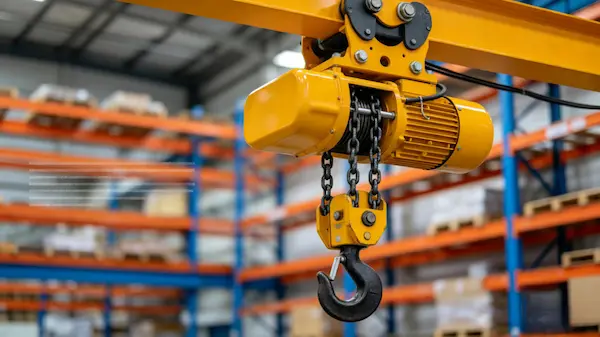
Electric hoists are the backbone of modern material handling. By converting electrical energy into mechanical lifting force, these machines allow industries to move massive loads with precision, safety, and minimal labor. At Kylift, we understand that an electric hoist is more than just a tool—it is a critical investment in your operational uptime.
In 2026, the demand for intelligent lifting solutions is at an all-time high. Modern electric hoists now integrate Variable Frequency Drives (VFDs), smart monitoring systems, and advanced braking technologies. Whether you are operating a small automotive workshop or a massive steel foundry, choosing the right electric hoist is vital for preventing workplace injuries and optimizing throughput.
2. Major Types: Electric Chain vs. Wire Rope
The first decision in any lifting project is selecting the lifting medium. Both chain and wire rope hoists have distinct advantages depending on the application environment and load requirements.
Electric Chain Hoists
Known for their durability and compact footprint, electric chain hoists are the most versatile option for loads between 0.5 and 35 tons. They are ideal for “true vertical lift” applications and are highly resistant to chain kinking.
Best for: Machine shops, assembly lines, and facilities where space is limited.
Electric Wire Rope Hoists
For capacities exceeding 10 tons or where extremely high lifting speeds are required, wire rope hoists are the industry standard. They offer smoother operation at high speeds and can handle severe duty cycles in heavy industry.
Best for: Steel mills, power plants, and large overhead crane systems.
| Feature | Electric Chain Hoist | Electric Wire Rope Hoist |
|---|---|---|
| Capacity Range | 0.5T to 35T | 2T to 100T+ |
| Lifting Path | True Vertical Lift | Slight Lateral Movement (unless dual-reeved) |
| Maintenance | Easy to replace chain | Complex rope inspection/replacement |
| Relative Cost | Economical for mid-range | Higher initial investment |
3. Decoding Duty Cycles (H3, H4, H5)
One of the most common mistakes in B2B procurement is ignoring the “Duty Cycle.” A hoist’s duty cycle determines how many hours it can operate and how many starts it can perform per hour without overheating the motor.
- H3 (Moderate Duty): Suitable for general machine shop handling where the hoist is used for about 15-25% of the work period.
- H4 (Heavy Duty): Designed for high-volume production. Can handle loads near rated capacity frequently, used in 35-50% of the work period.
- H5 (Severe Duty): Built for continuous operation in harsh environments like foundries or cement plants.
4. Core Components & Engineering Excellence
A high-quality electric hoist is a synergy of several critical systems. At Kylift, our engineering focuses on these four pillars:
A. The Motor & Braking System
We use heavy-duty induction motors with Class F insulation. Our dual-braking system (mechanical and electromagnetic) ensures that if power is lost, the load is held securely and instantaneously.
B. Precision Gearing
Helical gears are used to ensure quiet operation and maximum torque transmission. Gears are oil-bath lubricated to minimize wear over decades of use.
C. Load Chain & Hooks
Our chains are Grade 80 or Grade 100 alloy steel, heat-treated for maximum tensile strength. Hooks are forged carbon steel with 360-degree rotation capabilities.
5. International Safety Standards
Compliance is non-negotiable in the lifting industry. Kylift hoists are manufactured to meet and exceed global standards, including:
- ASME B30.16: Standard for overhead hoists (underhung).
- CE Certification: Compliance with European health, safety, and environmental protection standards.
- ISO 9001: Quality management systems ensuring consistency in every unit shipped.
6. B2B Buying Guide: Key Factors
When requesting a quote for your facility, ensure you have the following data ready to get the most accurate solution:
- Lifting Capacity: What is the maximum weight you will ever lift?
- Lift Height: The distance from the floor to the highest point the hook must reach.
- Lifting Speed: Fast lifting increases productivity but requires more power and precision.
- Voltage & Phase: 110V single-phase for light duty? Or 440V three-phase for industrial power?
- Environment: Is the area corrosive? Explosive? Outdoors?
7. Maintenance & Troubleshooting
To maximize your ROI, a strict maintenance schedule is required. Daily inspections should include checking for chain wear, hook deformation, and ensuring the limit switches are functioning. Annual deep inspections should be performed by certified technicians.
Common Issue: Hoist humming but not lifting. Likely Cause: Phase loss or brake not disengaging. Kylift’s support team is available 24/7 to help troubleshoot these operational challenges.
8. Why Partner with Kylift?
Kylift is more than a manufacturer; we are your strategic partner in lifting safety and efficiency. By choosing Kylift, you benefit from:
- Factory Direct Pricing: No middleman markups.
- Custom Engineering: We build hoists to your specific voltage and environmental requirements.
- Global Support: Parts and technical expertise available wherever your operations are located.